Why You Can't Support Autistic Kids Without Supporting Their Teams First
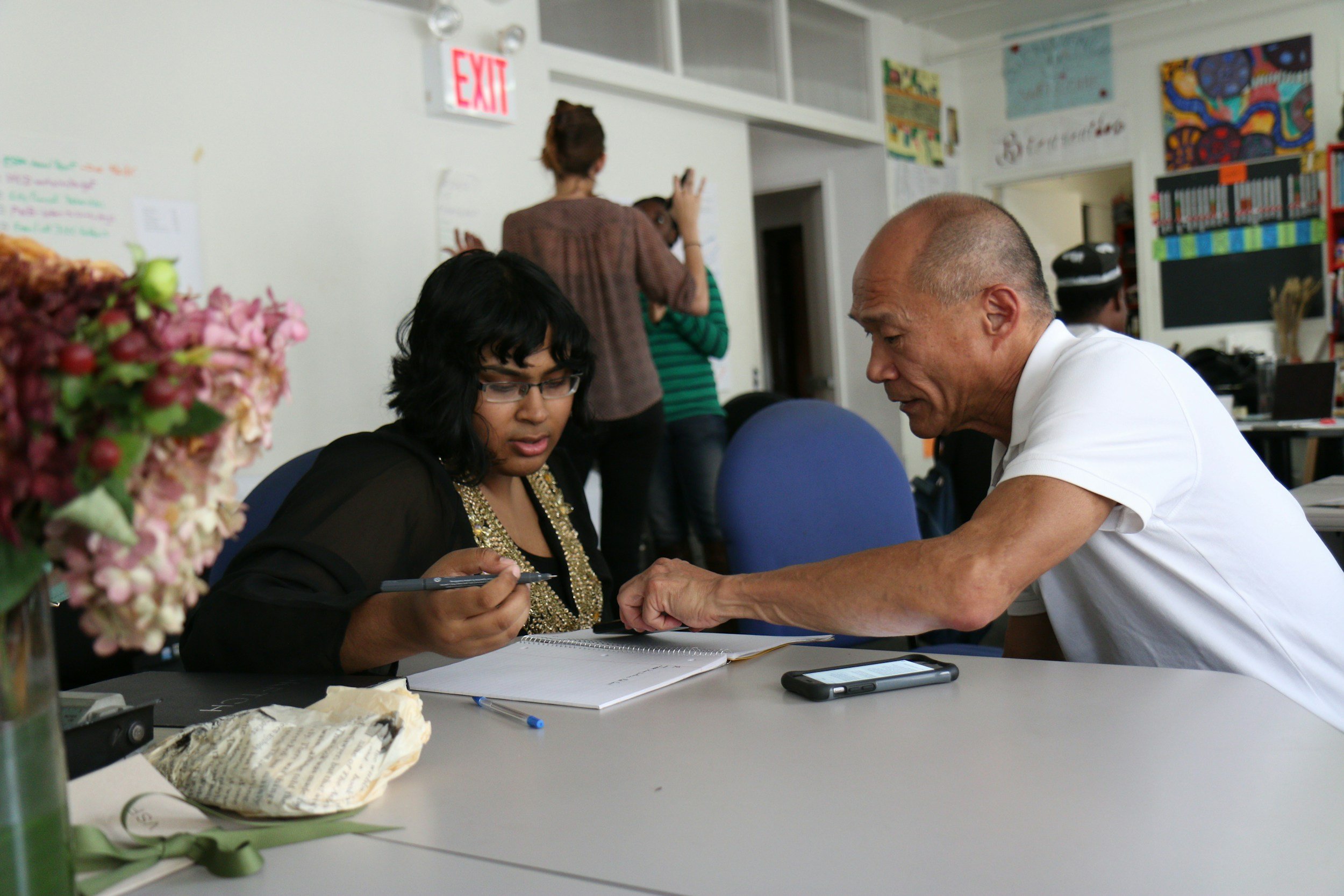
If you pull kids for 30-minute therapy sessions and then drop them back in their classrooms without ever connecting with the adults who spend six hours a day with them, we need to talk.
Sorry, didn't mean to sound harsh! But you could be the most neuroaffirming, child-led clinician in the world, but if you're not actually supporting the paraprofessionals, one-to-ones, and teachers who are in the trenches all day every day, your impact is limited. Real, lasting change doesn't happen in isolation, it happens when we work with the people who show up for our students hour after hour.
Early in my career, I would walk into classrooms and immediately notice what wasn't happening. AAC devices were in cubbies. Nobody was modeling. Kids were dysregulated and the adults looked stressed. My first instinct was always frustration. I would think, “Why aren't they doing what I told them to do?”.
But here's what I've learned from my years of experience working in the schools: It's not that they don't care, it’s that they don't have capacity.
Think about what paraprofessionals and classroom support staff are managing on any given day. They’re handling all of the diaper changes and toileting accidents. They’re there for feeding support and snack time. They have to manage every difficult or chaotic transition between classrooms and activities including fire drill and unexpected changes. They manage behavioral escalations, and support with co-regulation. And somehow, in the middle of all that chaos, we expect them to remember to model on an AAC device?
When we go in with tunnel vision, focused only on our domain and our goals—we lose people. When we lose people, we lose the collaborative spirit that actually moves the needle for our students.
My Wake Up Call as an SLP
I'll never forget the day I called a team meeting to teach modeling strategies on an AAC device. I was excited. I had good intentions. I genuinely thought I was helping. But when I walked into that classroom at 3 PM, here's what was actually happening:
The buses were late. Kids who should have been gone were still there, anxious and dysregulated because their routines were disrupted.
The teacher was filling out an incident report from earlier in the day, distracted and stressed.
The one-to-ones were trying to catch public transportation to get to their second jobs (because we don't pay paraprofessionals a livable wage).
And there I was, trying to teach AAC modeling strategies like none of that mattered. I left that meeting feeling like nobody cared. But the truth was that they were drowning, and I was adding one more drop to an overflowing bucket. That moment changed everything for me. I realized I couldn't keep adding to people's to-do lists without actually taking things off. I couldn't expect anyone to be a team player for me if I wasn't showing up as one for them first.
The Shift to Team Player
Supporting paraprofessionals and support staff isn't about being a martyr or abandoning your own needs. It's about showing up from a place of service and treating the adults in the room with the same respect and connection you give to the kids you support. Here's what that looks like in practice:
1. Build Connections First: Before you ask anything of anyone, build trust. Show up and actually get to know the people on your team. Ask how they're doing and actually mean it. Learn about their families, their interests, what lights them up. Notice when they're struggling and offer support. I can't tell you how many times I've pulled a paraprofessional aside and said, "Hey, do you need a break? I can stay with your student for ten minutes. Go grab a coffee." That simple gesture, offering a few minutes of relief, builds more trust than any training ever could.
2. Show Up in the Hard Moments: When a classroom is falling apart, don't walk out. Walk in. If you see a classroom where the teacher is out sick, there's no sub, and the paraprofessionals are trying to hold everything together, stay. Offer to lead a quick movement activity. Help clean up the blocks. Take a child to the bathroom so someone else can breathe. Your job isn't just data collection and report writing. Your job is supporting the whole environment where your students learn.
3. Ask Questions Before You Give Directions: Instead of walking in with a list of what you need people to do, try saying: "What's feeling really hard right now?", "What's the most overwhelming part of your day?", or "How can I help you today?". When I started asking these questions, I learned things I never would have imagined. I heard about the constant sensory overload, the lack of planning time, the unpaid emotional labor of supporting kids through meltdowns all day. Suddenly, I understood why my well-intentioned recommendations weren't getting implemented. These weren't people resisting, they were people struggling.
4. Treat Paraprofessionals Like the Experts They Are: The adults who spend all day with your students know things you don't. They see patterns you miss. They understand sensory triggers, communication styles, and regulation strategies in ways that only come from hours and hours of real-time support. When you honor that expertise and ask for their input instead of just telling them what to do everything changes.
Child-Led therapy requires team-centered support. Supporting autistic communication effectively means creating environments where everyone feels supported. When paraprofessionals are overwhelmed, dysregulated, and stretched too thin, they can't show up as the calm, responsive communication partners our students need. This is especially true when we're asking teams to implement neuroaffirming therapy approaches like AAC modeling strategies, child-led communication strategies, and co-regulation strategies that require adults to be regulated themselves first.
None of these approaches work if we're not also supporting the adults who are supposed to implement them.
Practical Ways to Support Your School Teams Today
Here are actionable strategies you can start using today to become a better team player:
Offer your presence as a resource. Go into a classroom during a tough transition and just be there. Your regulated nervous system can help de-escalate an entire room.
Take something off their plate. Offer to cut out visuals, laminate materials, or stay with a student so they can use the bathroom.
Provide short, practical support, not long lectures. Instead of calling a 30-minute meeting, offer a two-minute strategy in the moment when they actually need it.
Celebrate their wins. Notice when someone does something well and name it. "I saw you modeling on the AAC device today—that was amazing!"
Advocate for them, not just for your students. When you're in IEP meetings or talking to administration, speak up about the need for more support, better staffing, and realistic expectations.
If we want to support autistic students in speech therapy in schools, we have to support the people who are with them all day, every day. Advocating for child-led therapy in schools isn't just about what happens in our sessions, it's also about building a culture of collaboration, respect, and mutual support across the entire team.
When we show up generously, when we offer help before we ask for it, and when we treat paraprofessionals and support staff like the essential professionals they are, that's when real change happens. Because at the end of the day, connection over compliance doesn't just apply to kids. It applies to the adults on our teams, too.